Building and Pest Inspection Cost in Melbourne & Geelong: What You'll Actually Pay
Quick Answer:
How much does a building and pest inspection cost in Victoria? A combined building and pest inspection in Melbourne and Geelong typically costs between $400 and $900 depending on property size, age, and inspection scope. A building-only inspection starts from around $300, while a standalone pest inspection ranges from $250 to $350. Larger or more complex properties with multiple outbuildings or limited access areas will sit at the higher end.
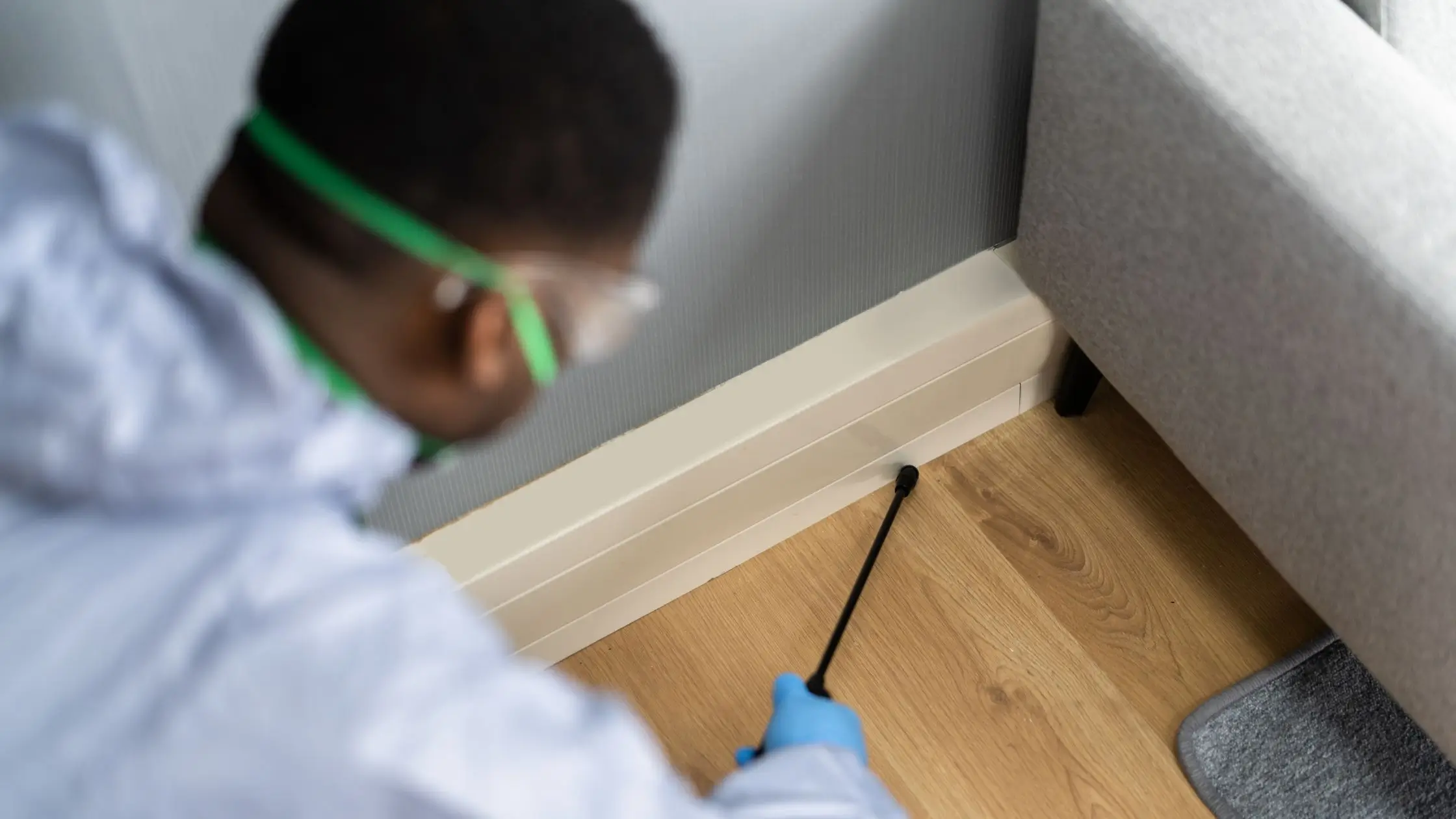
Table of Contents
Buying property in Victoria is likely the biggest financial commitment you’ll make. But too many buyers skip one critical step before signing: a professional building and pest inspection.
The cost of a building and pest inspection is small compared to what you could spend on unexpected repairs.According to the CSIRO, one in three Australian homes will face a termite attack at some point. The average repair bill? Anywhere from $7,000 to over $100,000. A $400–$900 inspection suddenly looks like a bargain.
This guide breaks down the actual cost of building inspections across Melbourne and Geelong. You’ll learn what drives pricing, what’s included in your home inspection report, and how to avoid paying more than you should.
Key Takeaways:
- A combined building and pest inspection in Melbourne and Geelong ranges from $400 to $900 for most residential properties
- Property size, age, condition, and accessibility are the biggest factors affecting inspection cost
- A combined building and pest inspection is almost always cheaper than booking separate inspections
- In Victoria, the buyer typically pays for the pre-purchase building inspection
- Your inspection report should include high-resolution photos, clear defect descriptions, and practical repair recommendations
- Choosing a building inspector based on the lowest price alone can lead to a rushed inspection that misses serious problems
How Much Does a Building and Pest Inspection Cost in Victoria?
There’s no single price for every property. Building inspection services Melbourne providers offer will vary based on the scope of each job. A one-bedroom apartment takes far less time to inspect than a four-bedroom house with a subfloor, roof cavity, and multiple outbuildings. The table below gives you a realistic picture of what residential building inspections cost in 2026.
Inspection Type | Apartment / Unit | Average-Sized House (3 bed) | Large / Complex Property (4+ bed) |
Building inspection only | $300 – $450 | $400 – $600 | $550 – $700+ |
Pest inspection only | $200 – $300 | $250 – $350 | $300 – $400+ |
Combined building and pest inspection | $400 – $600 | $500 – $750 | $700 – $1,000+ |
These ranges reflect current market pricing for home inspections Melbourne buyers can expect across metro and Geelong suburbs. The final cost depends on factors like property type, accessibility, and whether the inspection service includes additional tools such as thermal imaging or moisture metres.
Most inspectors offer a discount when you book a combined building and pest inspection rather than two separate inspections. For an average-sized house, you could save $100 to $200 by bundling both into a single visit. The quality of thorough inspections shouldn’t vary with the discount.
What Factors Affect Building and Pest Inspection Cost?
You’ll notice a wide range in quotes when you start shopping around. That’s because several factors influence the final cost of your home inspection. Pricing in the construction industry isn’t standardised, so understanding these factors helps you compare quotes and identify potential issues accurately before you commit.
Property Size and Type
This is the most obvious factor. A studio apartment has fewer rooms, no subfloor, and limited exterior areas. Compare that to a five-bedroom house with multiple bathrooms, a garage, a shed, and retaining walls. The more ground an inspector needs to cover, the more time it takes and the higher the cost.
Properties with multiple outbuildings, such as granny flats or detached workshops, expand the inspection scope. Each additional structure needs its own assessment for structural integrity and pest activity.
Property Age and Condition
Older homes present a different set of challenges. A Victorian-era weatherboard in Geelong will need closer attention to structural decay, foundation movement, and timber pest damage than a five-year-old build in Cranbourne.
Renovated properties can be tricky, too. Cosmetic upgrades sometimes hide structural defects behind fresh paint and new plasterboard. Experienced inspectors know where to look for signs that previous work may have covered up problems rather than fixing them.
Inspection Scope
A standard building inspection covers the visible and accessible areas of a property. But some inspections go further. Add-ons like thermal imaging can detect hidden moisture behind walls and identify areas of heat loss affecting energy efficiency. These specialist tools add to the inspection cost but can uncover evidence of problems that a visual check alone would miss.
The biggest cost decision is whether you book a combined building and pest inspection or arrange separate inspections. A combined inspection is almost always more economical. You get a single visit from one team and pay one fee rather than coordinating two bookings.
Location and Accessibility
Where the property sits affects pricing. Inner-city Melbourne apartments are generally quicker to inspect than sprawling rural properties outside Geelong that require more travel time.
Access matters too. If the roof space is too narrow to enter, the subfloor is blocked, or external walls are obstructed by dense vegetation, the inspector may need extra time or specialist equipment. Properties with limited access to the roof cavity or sub-floor areas can push costs toward the higher end.
Inspector Qualifications and Insurance
Not all building inspectors charge the same rates because not all inspectors carry the same credentials. In Victoria, theVictorian Building Authority (VBA) regulates building practitioners — including every building surveyor and registered building inspector — and requires registration before they can conduct inspections.
A qualified inspector should carry both professional indemnity insurance and public liability insurance. These protect you if errors appear in the building report or if something goes wrong during the building inspection process. Always choose an independent inspector rather than one recommended by the selling agent. An independent inspection gives you unbiased findings that serve your interests alone.
When comparing quotes, check that the inspector’s work complies with the relevant Australian standards (AS 4349.1 for building inspections, AS 4349.3 for pest inspections). Qualified inspectors will readily provide their VBA registration number on request. Registered builders with inspection qualifications can also conduct inspections, but verify their VBA registration status before booking.
What Does a Building Inspection Report Cover?
A comprehensive building inspection report gives you a detailed assessment of the property’s condition before you commit to buying. It’s not a maintenance checklist. It’s a professional assessment designed to identify potential issues like structural concerns, safety hazards, and major defects that could cost you serious money down the track.
Your inspector will check compliance with current building codes and look for signs of deterioration across every accessible area. Here’s what a thorough inspection typically examines:
- Structural elements are the priority. Your inspector will assess the foundation, load-bearing walls, floor framing, wall and roof frames, and roof structure. They’re looking for signs of movement, cracking, or deterioration that could affect the building’s structural integrity. Sagging roofs, uneven floors, and cracking in external walls are common indicators of deeper structural issues.
- Interior areas cover walls, ceilings, floors, doors, and windows throughout the property. The inspector checks for dampness, water staining, poor ventilation, and visible defects. Kitchens and multiple bathrooms get extra attention due to the higher risk of moisture-related damage.
- Exterior areas include cladding, brickwork, external walls, balconies, decks, driveways, paths, fences, and retaining walls. Surface drainage around the property is also assessed, as poor drainage is one of the most common causes of foundation movement in homes in Melbourne and Geelong.
- Roof space and roof cavity inspections are critical. This is where inspectors often find hidden defects that aren’t visible from the ground. They’re checking the condition of roof framing, sarking, insulation, and looking for signs of leaks or pest activity.
- Sub-floor areas are inspected where accessible. This includes checking stumps, bearers, joists, and ventilation. Dampness under the house can accelerate structural decay and create perfect conditions for termite infestations.
The final report should be thorough, with high-resolution photos and clear descriptions of each defect. Look for a detailed report that highlights all defects found during the inspection, along with recommendations for repairs or further specialist assessment. A good building inspection report gives you the critical information you need for negotiations or to walk away from a bad deal during the cooling-off period.
What Does a Pest Inspection Cover?
A pest inspection focuses specifically on timber pests and the damage they cause. In Victoria, qualified pest inspectors follow Australian Standard AS 4349.3 and target species that destroy the structural timber in your home.
The main culprits are subterranean termites, wood-boring insects, and fungal decay that causes wood rot. Termite damage is the big one. The CSIRO estimates that termite infestations cost Australian homeowners roughly $1.5 billion in repairs every year. Standard home insurance doesn’t cover this damage either. That makes a pest inspection one of the smartest investments you can make before buying.
Your pest inspector will check the interior and exterior of the property for signs of current or past termite activity. They’ll examine sub-floor areas, roof spaces, fences, garden beds, tree stumps, and any timber in contact with the ground. These are all high-risk zones for termite infestations.
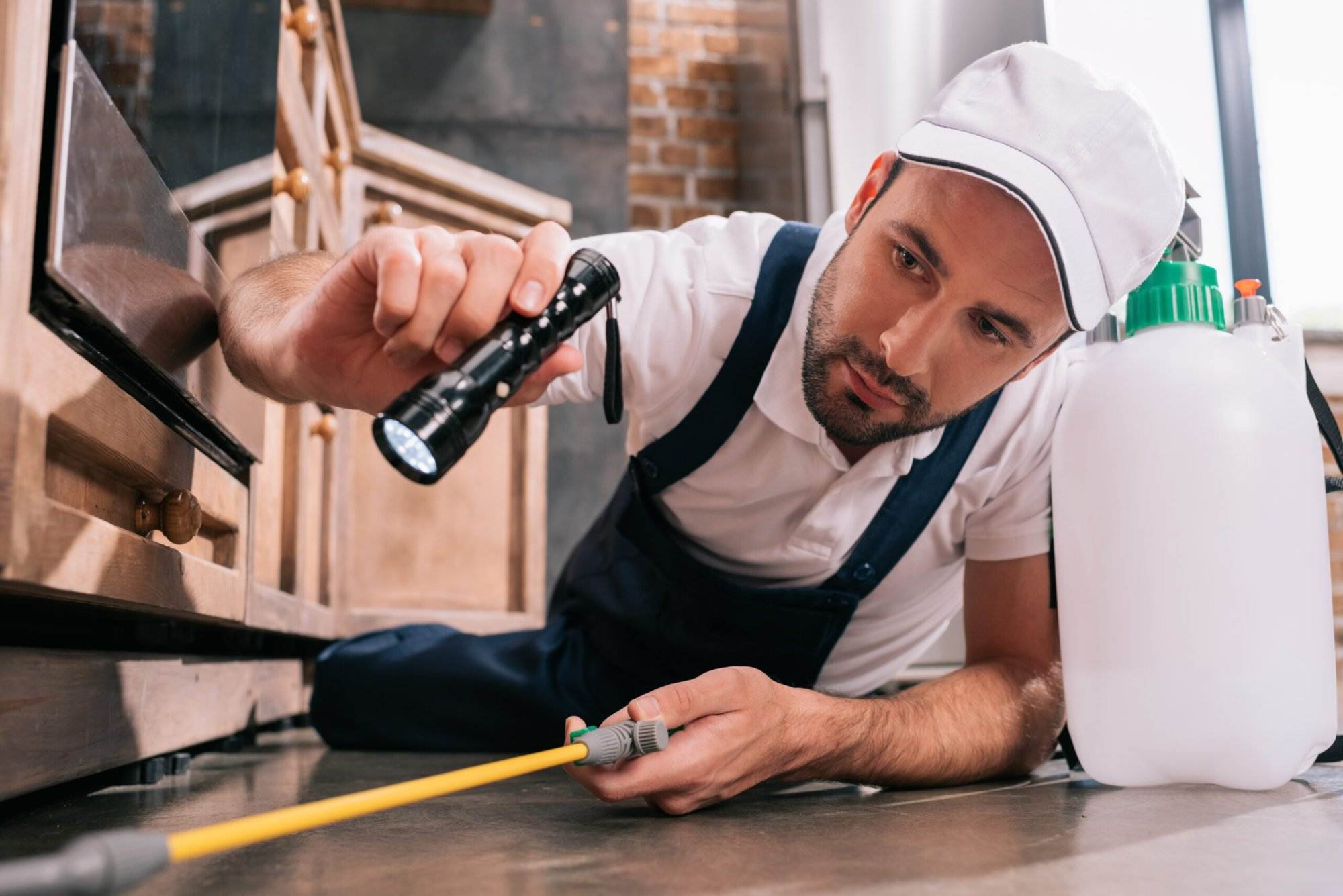
Professional inspections use specialist equipment to detect hidden issues. Moisture metres identify damp areas that attract timber pests. Termite screening devices and sounding tools help detect termite activity behind walls and inside structural timbers where damage isn’t visible to the naked eye. Some inspectors also use thermal imaging to pick up heat signatures from active termite colonies within wall cavities.
The pest report will document any evidence of termite damage, active infestations, conditions encouraging pest activity, and recommendations for treatment or prevention. If the property shows signs of timber pest damage, your inspector may recommend further investigation by a specialist. This independent advice can save you from committing to a property with costly hidden damage.
Combined Building and Pest Inspection vs Separate Inspections
Booking a combined building and pest inspection is the most cost-effective approach for most home buyers. You get both assessments completed in a single visit and receive a comprehensive report covering structural and pest-related findings.
The cost savings are straightforward. Separate inspections mean two site visits, two scheduling windows, and two fees. A combined inspection eliminates the duplication. For an average-sized house in Melbourne, the total cost of a combined inspection typically comes in $100 to $200 less than booking each service individually.
Beyond cost, there’s a practical benefit. Building defects and pest damage are often connected. Moisture problems attract termites. Structural decay can be caused by long-term timber pest activity. When one inspector assesses both aspects during the same visit, their thorough evaluations can identify patterns and connections that two separate inspectors might miss.
The detailed report from a combined inspection also makes life easier during negotiations. You have one document covering the full property’s condition to share with your solicitor or conveyancer. Real estate agents are used to receiving combined reports from professional reporting services, and they carry weight during price discussions.
Who Pays for a Building and Pest Inspection in VIC?
In Victoria, the buyer pays for the pre purchase inspection. This is your due diligence step before committing to the purchase. The cost sits with you because the report is commissioned to protect your interests and give you peace of mind about the property’s true condition.
There’s one exception. Sellers sometimes arrange their own property inspection before listing. A pre-sale or pre-auction building inspection helps vendors identify and fix problems before buyers see them. The seller pays for this inspection. It can speed up the sale process and prevent last-minute renegotiations after a buyer’s pre-purchase house inspection uncovers unexpected issues.
Some buyers try to negotiate the inspection cost into the purchase price or ask the seller to cover it. This is uncommon in Victoria and most real estate agents won’t entertain the request. Treat the inspection cost as part of your buying-process budget, alongside conveyancing fees and stamp duty. Under Victorian law, buyers have the right to have an independent inspection conducted on the building site before settlement. A builder cannot deny access for a legitimate pre-purchase inspection. Domestic building contracts typically grant access for this purpose, so seek legal advice if you run into resistance.
If you’re purchasing at auction, keep in mind that the cooling-off period doesn’t apply. That means you should book your pre-purchase building inspection before auction day. Once the hammer falls, you own the property regardless of what a later inspection might reveal.
Is a Building and Pest Inspection Worth the Cost?
Let’s put the numbers in perspective. A combined building and pest inspection for an average-sized house costs around $500 to $750. The median house price in Melbourne hovers above $900,000. Your inspection cost represents less than 0.1% of the purchase price.
Now consider what you’re protecting yourself against. Structural defects like cracked foundations or sagging roofs can cost tens of thousands to repair. Termite damage averages between $7,000 and $100,000 to fix depending on how far the infestation has spread. The National Association of Steel Framed Houses estimates the annual cost of termite damage across Australia reaches up to $780 million.
A professional inspection gives you more than just a property inspection report. It gives you leverage. Buyers regularly negotiate $10,000 to $30,000 off purchase prices based on findings in a building inspection report. Even minor defects documented in a detailed report can justify a price reduction that far exceeds the original inspection cost. This applies whether you’re buying a family home or an investment property.
The flip side is real too. A cheap inspection from an unqualified inspector can miss hidden defects, structural concerns, and termite activity that a thorough inspection would catch. You end up paying twice: once for the rushed inspection and again for the unexpected repair costs that follow settlement.
Think of your building and pest inspection as a tool for making informed decisions. It either confirms the property is sound or gives you the critical information to renegotiate, request repairs, or walk away before it’s too late.
How to Book a Building and Pest Inspection in Melbourne or Geelong
Booking building inspection services in Melbourne or Geelong is straightforward. Here’s what you’ll need to have ready:
Start with the property address and your preferred inspection date. If you’re buying through a real estate agent, let them know you’ll be arranging a professional inspection so they can coordinate access. Most agents are used to this process and will work with your inspector on timing.
Confirm that your inspector is registered with the Victorian Building Authority and carries both professional indemnity and public liability insurance. A private building inspector who works independently from the selling agent will give you the most unbiased results. Ask to see a sample report before you book. A well-structured sample tells you a lot about the quality of reporting you’ll receive.
Book early in the process. If you’re buying with a cooling off period, schedule the inspection within the first few days so you have time to review the report and make decisions. If you’re buying at auction, get the house inspection done before bidding day. Building inspections in Melbourne book up fast during peak auction season, so don’t leave it until the last minute.
For current pricing on house inspections and other inspections Melbourne-wide, check our regions and pricing page or call us directly to get a fixed-fee quote with no hidden fees.
FAQs about Building and Pest Inspection Costs
For an average-sized house with three bedrooms in Melbourne or Geelong, a combined building and pest inspection typically costs between $500 and $750. The final cost depends on property age, accessibility to the roof space and sub-floor, and whether you need add-ons like thermal imaging. Older homes or properties with multiple outbuildings will generally sit at the higher end of this range.
Yes. A detailed building inspection report gives you documented evidence of defects and repair costs. Buyers commonly use these findings to negotiate reductions of $10,000 to $30,000 off the asking price. Even minor issues like cracked external walls or damaged retaining walls carry repair costs that justify a lower offer. Your solicitor or conveyancer can help you present the report during negotiations.
A building inspection assesses the property’s structural integrity, safety issues, and major defects across the interior, exterior, roof space, and sub-floor. A pest inspection specifically targets timber pests like termites, wood-boring insects, and fungal decay. A combined building and pest inspection covers both in a single visit and is the most common approach for pre-purchase due diligence in Victoria.
New homes can still have defects. If you’re looking at new home inspections Melbourne has plenty of recently built properties that go to market with unresolved construction issues. Construction errors, incomplete work, and non-compliance with building codes are more common than most buyers expect. Many building owners arrange construction inspections at key stages of the construction process. These include a frame stage inspection, pre plaster inspection (also called the pre plaster stage check), and final inspection before handover. A new home construction stage inspection checks the property at each critical build phase. If you’re buying a recently completed home, a new home building inspection can identify structural issues that the builder may have overlooked. Buyers on domestic building contracts have the right to arrange an independent inspection report at each stage.
If the property has a pool or spa, Victoria requires a separate safety barrier inspection for compliance with current regulations. This is not covered by a standard building and pest inspection. Swimming pool inspections assess whether the pool fence and barrier meet Australian Standards. Pool owners must register with their local council and obtain a Certificate of Compliance. Non-compliant barriers can result in penalties, so it’s worth checking before you buy.
Most professional building inspections deliver a detailed report within 24 hours of the on-site inspection. The report is typically sent as a PDF with high-resolution photos, defect descriptions, and repair recommendations. If you’re working within a tight cooling off period, confirm report turnaround times when you book. Some inspectors offer same-day reporting for urgent requests at an additional cost.

3 Responses