Quick answer: A building inspector is a qualified professional who examines residential or commercial properties to identify structural defects, safety hazards, and non-compliance with the National Construction Code and Australian Standards. In Victoria, they must be registered with the Building and Plumbing Commission (formerly the VBA). Their work covers pre-purchase assessments, construction-stage checks, handover reviews, and specialist reports, such as dilapidation and pool safety inspections.
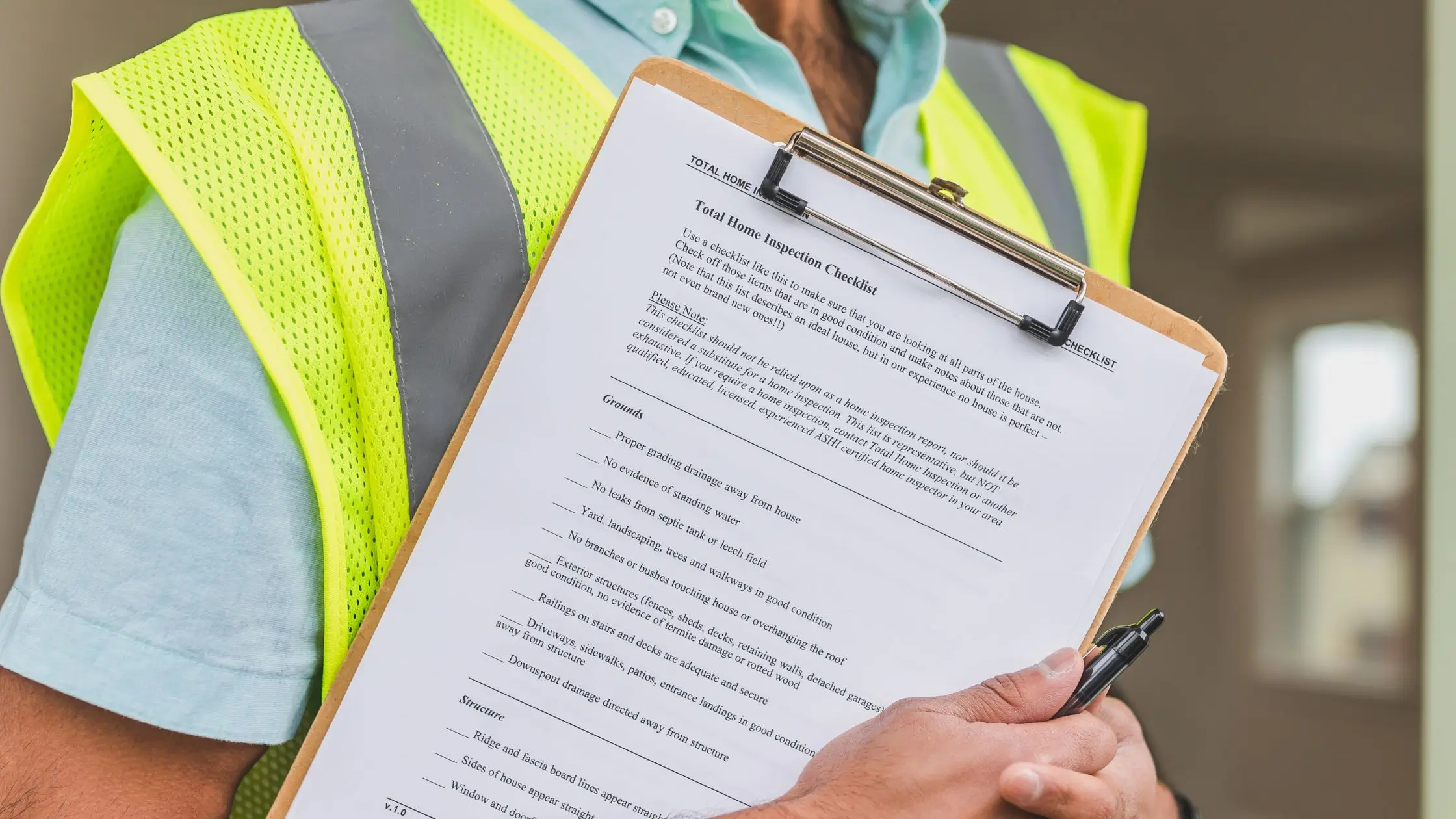
Table of Contents
Buying, building, or selling a home is one of the biggest financial moves most people will ever make. It’s also one of the easiest places to get burned by something you didn’t see coming. That’s where a building inspector comes in. Their job is to look past the fresh paint and staged furniture and tell you what’s actually going on with the structure you’re about to sign for.
Research from Deakin and Griffith Universities found that 85% of new multi-residential buildings in Australia had at least one defect, which explains why an independent building inspection has become a standard part of the property purchase process. Prospective buyers, vendors, and homeowners all rely on that professional eye to make an informed decision. This guide walks you through what a building inspector actually does, what they check, and how to tell a good one from a dodgy one.
Key Takeaways:
- A building inspector examines a property’s structure, safety, and compliance with the National Construction Code, then documents findings in a detailed report with photographic evidence.
- In Victoria, building inspectors must be registered with the Building and Plumbing Commission (formerly the VBA) and hold recognised qualifications such as a Diploma or Bachelor of Building Surveying.
- There are two broad categories of building inspector: regulatory inspectors who work for a building surveyor at statutory stages, and private inspectors who work directly for buyers, sellers, and owners.
- A typical inspection covers accessible areas including the roof space, sub-floor, wet areas, exterior walls, and site drainage, with the report usually delivered within 24 to 48 hours.
- The average building and pest inspection in Melbourne costs between $450 and $850, which is a small outlay compared to structural rectification costs that can run into tens of thousands.
- Always verify an inspector’s registration, professional indemnity insurance, and public liability insurance before you book.
What Does a Building Inspector Do?
A building inspector examines a property and reports on its condition. Their goal is to identify building defects, safety concerns, or breaches of the building regulations that could cost you money or put you at risk. This includes checking the structural integrity, roof space, sub-floor, wet areas, and the site itself for signs of movement, damage, moisture, or non-compliant work.
Their assessments are guided by the Building Act 1993 (VIC), the National Construction Code, and the relevant Australian Standards. What separates a qualified inspector from a well-meaning mate with a torch is the training to recognise defects that a homeowner would simply walk past. Rising damp, poorly installed flashings, insufficient sub-floor ventilation, or a bowed roof frame all leave clues, and an inspector knows where to look.
A good inspector then puts everything into a written report with photos, descriptions, and honest advice on next steps. That report becomes your evidence and your negotiating tool.
Private vs Regulatory Building Inspector: What's the Difference?
Most people don’t realise there are two different kinds of building inspector operating in Victoria. Knowing which one you actually need saves you time and money.
A regulatory building inspector carries out mandatory construction inspections on behalf of a building surveyor. Their role is to sign off that work meets the building permit and the law. They work for the surveyor, not for you.
A private (independent) building inspector is a registered building practitioner hired directly by you. They act in your interests and provide independent property assessments free from any conflict with the builder or vendor. This is the type you engage when buying a home, preparing to sell, or checking a builder’s work at handover.
Feature | Regulatory Inspector | Private Inspector |
Who they work for | Building surveyor | You (the client) |
When they inspect | Statutory stages during a build | Any time you request it |
Purpose | Enforce permit and code compliance | Give you independent advice on condition |
Report goes to | The building surveyor | You |
Registration body | Building and Plumbing Commission | Building and Plumbing Commission |
Common examples | Slab, frame, and final permit inspections | Pre-purchase, pre-sale, handover, dilapidation |
Both must be registered practitioners under Victorian law. The key point is that a regulatory inspector is looking at whether a build meets the minimum legal standard. A private inspector is looking at whether you should hand over your money or accept the keys.
What a Building Inspector Actually Checks
An inspection covers every accessible part of the property. The term “accessible” matters here, because inspectors cannot cut into walls, lift floorboards, or move heavy furniture. What they can see, they will assess in detail.
- Structural elements. Foundations, load-bearing walls, beams, and the roof structure are checked for cracks, sagging, movement, or signs of deterioration. Major structural defects are the most expensive category of problem, and they represent the bulk of high-value claims across the country.
- Roof space. The inspector enters the roof cavity where safe access exists. They look at the frame, insulation, sarking, and signs of leaks or vermin. Roof space checks catch problems that never show up from inside the house.
- Sub-floor. For homes with a raised sub-floor, the inspector checks for moisture, ventilation, timber pest activity, and any termite damage to bearers, joists, or piers. Poor sub-floor ventilation is a common driver of timber rot in older Victorian and Geelong homes.
- Wet areas. Bathrooms, kitchens, and laundries get close attention because waterproofing failures cause a huge share of building disputes. The NSW Building Commission’s 2023 Strata Defects Survey found that waterproofing was the single most common serious defect in apartment buildings at 42 per cent.
- Interior. Walls, ceilings, floors, windows, and doors are inspected for cracks, unevenness, and signs of movement.
- Exterior. Cladding, brickwork, render, gutters, downpipes, and paint are checked for damage or deterioration.
- Site drainage. Water is the enemy of buildings. Inspectors check that surface water drains away from the property and that no obvious pooling or erosion threatens the structure.
If the inspection is a combined building and pest inspection, the same building and pest inspector or a licensed pest technician will conduct a timber pest inspection covering active termite colonies, wood-boring insects, fungal decay, and any conditions that encourage infestations. The pest inspection report sits alongside the building report and often recommends pest control treatment or further specialist assessment.
The Different Types of Building Inspections
Not every inspection is the same. The scope changes based on when the property is being inspected and why. Here are the main categories.
Pre-purchase building and pest inspection.
The most common inspection. A buyer engages an independent inspector to assess a property before signing an unconditional contract. Findings can be used to renegotiate, request repairs, or walk away.
Pre-sale or pre-auction inspection.
Vendors book this before listing so they can address issues on their own timeline rather than having buyers use it as ammunition. Booked well in advance, a pre-sale or pre-auction building inspection helps you avoid last-minute surprises during open homes.
New home construction stage inspections.
When you build from scratch, an independent inspector attends at each critical stage. This is the strongest defence against defects being covered up under plaster or slab. Stage inspections typically cover pre-slab, frame, lock-up, fixing, and final handover.
Handover or practical completion inspection.
Before you accept the keys on a new build, a handover practical completion inspection documents any defects your builder must fix before you sign off. This is your last real chance to hold the builder accountable while the incentive is still live.
Builder’s warranty inspection.
Most new homes have a defined warranty period. A builder’s warranty inspection is booked before that period expires, so you can flag defects while the builder is still liable to fix them.
Dilapidation report.
If construction, demolition, or excavation is happening next door, a dilapidation report records the condition of your property before the works start. It protects both neighbours by giving a clear baseline for any damage claims.
Swimming pool and spa safety barrier inspection.
Victorian law requires pool and spa owners to register their pool and have the safety barrier inspected. A pool and spa safety barrier inspection verifies compliance and produces the Certificate of Pool and Spa Barrier Compliance (Form 23).
137B owner-builder report.
If you completed owner-builder work within the last six and a half years and are selling in Victoria, the law requires a 137B owner-builder defects report to be provided to the buyer.
Qualifications and Registration Requirements in Victoria
Victoria has some of the tightest requirements for building practitioners in the country. Since 1 July 2025, the Building and Plumbing Commission (BPC) has replaced the Victorian Building Authority as the state’s regulator. Anyone carrying out registered building inspection work must appear on the BPC’s practitioner register.
The BPC classifies building inspectors into two registration classes. A Building Inspector (unlimited) can inspect any class and size of building. A Building Inspector (limited) operates under restrictions on height, floor area, and building class.
To meet the knowledge requirement, an inspector must hold one of the following qualifications:
- Bachelor of Building Surveying (Holmesglen Institute or Victoria University)
- Advanced Diploma of Building Surveying (CPC60115 or CPC60121)
- Diploma of Building Surveying (CPC50108), which satisfies part of the requirement for the limited class
Applicants also need at least two years of relevant practical experience across residential and commercial building work, plus evidence that they can identify and report non-compliance with the building regulations.
Registered practitioners must also complete continuing professional development each year, hold current professional indemnity insurance, and hold public liability insurance. If a private inspector cannot produce evidence of these, walk away.
What Does a Building Inspection Report Look Like?
A quality report is not a two-page tick-a-box document. It is a detailed record you can rely on for years, and it should stand up in a dispute if it ever comes to that.
The report is usually delivered as a PDF within 24 to 48 hours of the inspection. It includes:
- A summary of the property and inspection date
- A defect classification system (major structural, minor, safety hazard, maintenance)
- High-resolution photographs of each identified issue
- Descriptions of the defect, its location, and its significance
- Recommendations for further investigation, repair, or specialist assessment
- Notes on areas that could not be accessed and why
- The inspector’s registration number and insurance details
The clearer the report, the more useful it is. A short, generic checklist with no photos is a red flag. A detailed report with photographs and clear language gives you leverage in a negotiation, a claim, or a tribunal hearing.
When Should You Book a Building Inspector?
Timing changes the value you get from an inspection. Here are the moments that matter most.
- Before signing a contract of sale. A pre-purchase inspection is most useful when you can still walk away or renegotiate. In Victoria, private sales usually allow a “subject to building inspection” clause. Auctions do not, so any pre-auction inspection has to happen before you raise your hand.
- Three to four weeks before listing. For vendors, booking early gives you enough runway to fix real issues before the property goes to market.
- At each stage of a new build. Independent new home construction stage inspections catch defects while they are still cheap to fix. Once something is behind plaster or under a slab, the cost multiplies.
- Just before the end of a warranty period. Book a builder’s warranty inspection two to three months before your warranty ends. That gives your builder time to rectify anything flagged in the report.
- When neighbouring construction begins. Book a dilapidation report before the excavator arrives next door, not after cracks appear.
- When your pool or spa needs certifying. Victorian law requires pool safety inspections every four years for registered pools.
How to Choose the Right Building Inspector
The gap between a good inspector and a bad one can be the difference between a smooth purchase and a five-figure rectification bill. Use this shortlist to filter your options.
- Check their registration. Search the BPC practitioner register. If the person or company you are considering is not listed, that is a hard no.
- Ask for their insurance details. Professional indemnity insurance protects you if the inspector misses something serious. Public liability insurance protects both of you during the site visit. Ask for certificates of currency.
- Request a sample report. A reputable inspector will happily send one. If the sample is thin, generic, or missing photos, expect the same for yours.
- Check their experience with your property type. A 1920s weatherboard, a modern apartment, and a two-storey new build each have their own quirks. Ask whether the inspector has worked on similar properties.
- Ask who actually turns up. Some larger firms subcontract inspections. You want to know who will be on site and what their qualifications are, not just who is on the marketing page.
- Read independent reviews. Look for reviews on Google or Product Review. Read the negative ones too because they often reveal how a company handles problems.
The Real Cost of Skipping a Building Inspection
There is a common temptation, especially in a hot market, to skip the inspection to move faster. It rarely pays off. Property lawyers report that structural rectification work commonly ranges from $15,000 to $50,000, and complex or hidden defects can push that number well above six figures.
A Money Magazine feature on building defects cited industry veterans arguing that non-compliance is rife in new builds, particularly during periods of high construction volume. The report noted that only 32% of Australians hold a positive perception of the construction industry, and much of that distrust traces back to defect experiences.
A building inspection is a small investment on the front end that gives you documented, independent advice before your money is committed. When you weigh a few hundred dollars against the price of unpicking a defective purchase, the maths is straightforward.
Book a Building Inspection Across Geelong and Melbourne Metropolitan
Ripple Building Inspections provides independent, registered building inspection services across Geelong, Melbourne metropolitan suburbs, and the surrounding regions. If you are buying, selling, building, or maintaining a property, an inspection gives you the clarity to move forward with confidence. Get in touch to book your inspection or ask a question about your property.
FAQs about Building and Pest Inspections
A standard pre-purchase inspection on an average house takes between one and a half and three hours on site. Larger properties, older homes, or those with a lot of outbuildings can run longer. The written report is usually delivered within 24 to 48 hours.
For a standard residential property in Melbourne, a combined building and pest inspection generally sits between $450 and $850. Prices vary with the size, age, and complexity of the property.
You can walk through a property and take notes, but you cannot substitute the trained eye of a registered inspector. You also lack the professional indemnity cover that gives their report legal weight. For a decision this big, DIY is a false economy.
No. A building surveyor issues building permits and occupancy permits under the Building Act 1993. A building inspector carries out physical inspections and reports on condition. Many professionals hold qualifications in both, but the roles are separate.
You do not have to be present, but being there is helpful. You can ask questions on the spot, see the defects for yourself, and hear the inspector’s verbal assessment alongside the written report.
For a pre-purchase inspection, you can use the report to renegotiate the price, request repairs, or exit the contract if you included a subject-to-inspection clause. For a new build, the builder is generally required to fix defects before the next stage can proceed.
Yes. Reports prepared by registered inspectors are commonly used as evidence in disputes at the Victorian Civil and Administrative Tribunal (VCAT) and in insurance claims. The stronger the report, the stronger your position.
Inspectors do not cover concealed areas that require destructive access, specialist systems such as pools or septic tanks unless separately engaged, or pest infestations (unless a combined building and pest inspection is booked). Anything outside the scope will be listed in the report so you know what was excluded.



2 Responses