Each stage inspection provides an opportunity to identify and resolve issues before they escalate. Our building inspectors carry out a thorough inspection at every critical construction stage listed below.
The pre-slab stage inspection checks groundwork, formwork, drainage, and moisture barriers before the poured concrete slab. Your building inspector verifies that moisture barriers are correctly installed and checks for signs of dampness. This construction inspection is your first opportunity to catch problems before they are locked under concrete.
The pre plaster inspection checks that windows, doors, cladding, and waterproofing are properly installed. At the pre plaster stage, the building inspector also checks that the frame is straightened before plastering begins. This stage inspection confirms the final finish will be straight and plumb. HVAC systems should be properly installed, sealed, and functioning efficiently at this point.
The lock-up stage is another key stage in the home construction process. Once the building is sealed, internal works begin. Any problems with cladding, window sealing, or waterproofing that are not caught at this stage can lead to water damage behind walls. Our building inspector documents every finding so you have a complete record before the next phase of construction.
The practical completion inspection is a final defect check of finishes, fixtures, appliances, and compliance before occupancy. This handover inspection is your last opportunity to document all the defects your builder must fix before you take possession. Our building inspector checks for major defects like large foundation cracks, sagging ceilings, or buckling walls. The inspection also checks that all systems including electric, plumbing, and water are operational.
A pre settlement inspection is a critical final check done two to three days before closing. During this home inspection, the building inspector confirms that any repairs agreed upon after initial inspections have been completed professionally. The pre settlement inspection also checks for any damage caused after the initial agreement. Our final inspection gives you the peace of mind that your newly built property is move-in ready.
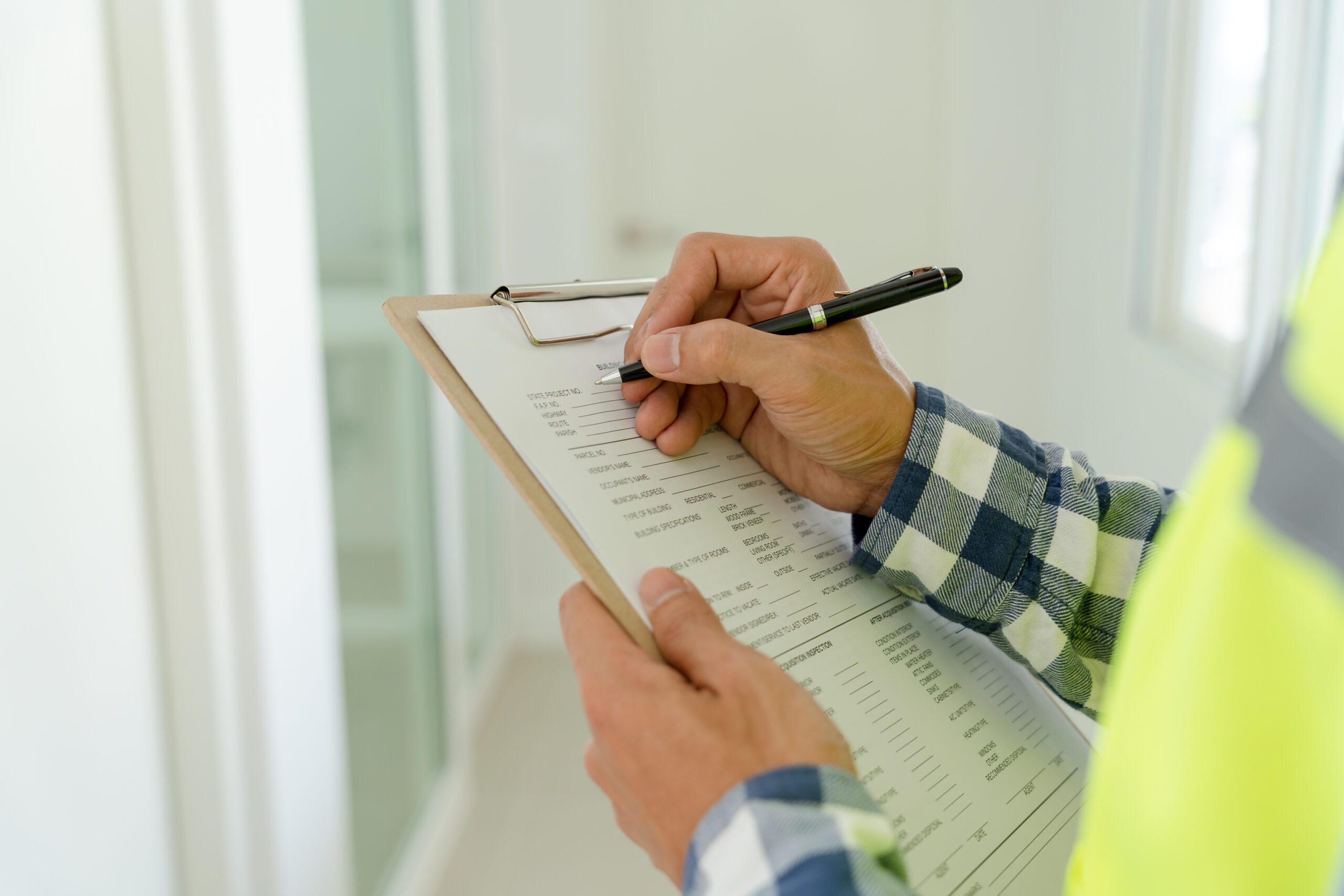
Our new construction inspection covers every accessible area of the property. The building inspection report provides advice on the condition of the interior, exterior, roof void, subfloor, and all outbuildings. Here is what our building inspectors look for at each stage.
Our detailed inspection reports are written in plain language so you do not need a construction background to understand them. Each new home inspection report includes high-resolution photographs of every defect and area of concern.
The home inspection report classifies findings by severity. Major defects, minor defects, and maintenance items are clearly categorised. You also receive practical recommendations for repairs or further specialist investigation.
If significant issues are found, the building inspection report can be used to request repairs from your builder or negotiate before settlement. Many customers emphasise the importance of thorough inspections. Detailed reports help identify defects before moving into a new home, which can prevent costly repairs later on. A comprehensive report gives you the evidence and the peace of mind you need to make informed decisions.
A comprehensive inspection typically aligns with Australian Standards like AS 4349.1 and covers critical areas of a property. Our inspection report format is consistent with the approved reports we deliver for pre purchase building inspections, builder warranty inspections, and all other property inspection services. You can share the report with your solicitor, conveyancer, or builder. The home inspection cost is a small price to pay for this level of documentation and quality assurance.
Ripple Building Inspections uses professional-grade equipment to identify potential issues accurately. Our building inspectors use the following tools during every new construction inspection.
Professionals use tools like moisture meters to detect hidden issues such as rising damp, mould, and leaks in wet areas. This is how we carry out thorough evaluations that go well beyond what you would pick up walking through a property on your own. Our advanced equipment helps us identify potential issues accurately at every stage of your new house build.
New homes must meet the building code, but they are not exempt from quality issues, finishing flaws, or incomplete works. A new home building inspection by a private building inspector gives you an independent inspection report that holds your builder accountable for quality workmanship.
Independent inspections during the construction process help identify defects early. This means issues are resolved before they escalate and become costly problems later on. Whether you are building your first home or an investment property, new home inspections protect your financial investment from the ground up.
The general rule is buyer beware when purchasing a house. Sellers are not legally required to disclose serious issues such as structural problems. Engaging an independent inspector for new home inspections is how you protect yourself from liability for defects that may arise after construction is completed.
Your building surveyor checks regulatory compliance at key stages, but their role is limited to code compliance. A private building inspector provides an independent inspection conducted on your behalf. The building surveyor works for the builder. A private inspector works for you. An independent inspection helps hold builders accountable for quality workmanship.
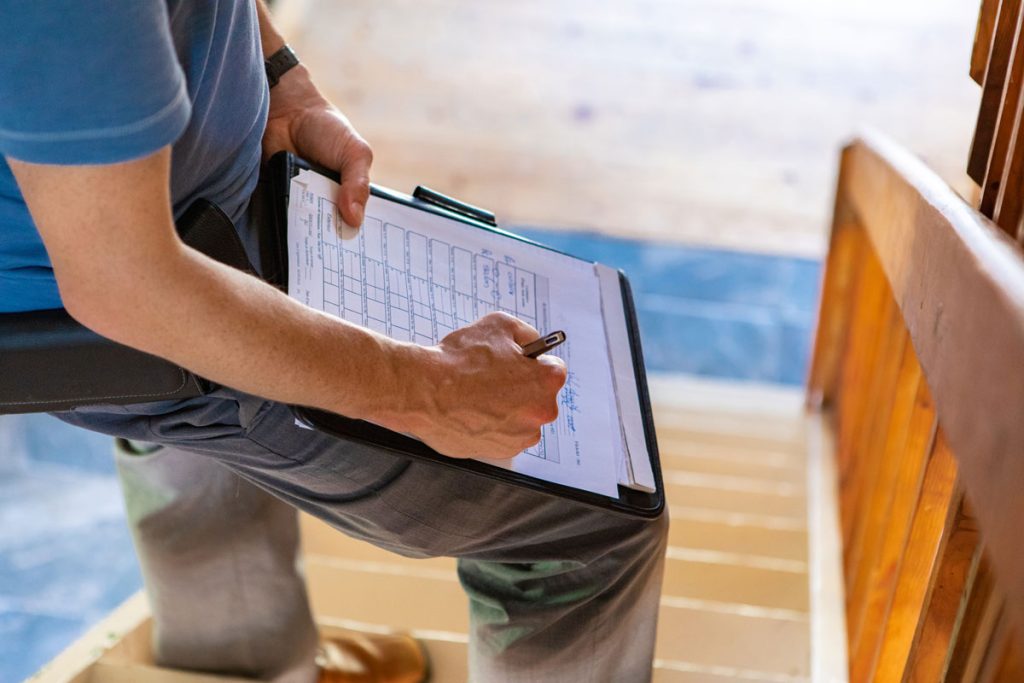
From your first enquiry to receiving your inspection report, our inspection services are designed to be straightforward and stress-free.
Contact us for a free quote. The building inspection cost varies depending on the property type, size, and location. We are upfront about pricing with no hidden charges. Building and pest inspection packages are also available if you want to combine your new home inspection with a timber pest report.
Once booked, our building inspectors are on site within days. Each stage inspection takes one to two hours depending on the scope of work. Your building inspector examines every accessible area using professional equipment. We can also coordinate with your builder or site supervisor to arrange access.
After the construction inspection, you receive a phone call summarising the findings. Your detailed inspection report follows the same evening or next business day. Reviews often highlight the significance of clear communication and timely responses from inspection services. Our reporting services are designed to give you the information you need quickly. If you need your report urgently, ask about our same-day priority reporting.
We pride ourselves on our attention to detail, professionalism, and commitment to delivering reliable unbiased assessments. Home inspection services are frequently recommended by previous clients for their ability to provide peace of mind. Here is what sets us apart.
We have completed thousands of building inspections across Geelong and Melbourne. Our building inspection reports are known for their detail, clear communication, and professional presentation. We deliver inspection reports that make it easy for you to understand the condition of your property and take action.
Ripple Building Inspections provides new home building inspection services and construction stage inspections across Geelong, Melbourne metropolitan suburbs, and regional Victoria.


Ripple Building Inspections is a premier building and pest inspection company proudly servicing Victoria.
0468 480 066