Quick answer: A building and pest inspection on an average home usually takes about 1.5 to 2.5 hours. Small apartments can be done in under an hour. Large, older or hard-to-access properties can run past 3 hours. The time comes down to the size, age, condition and access of the property.
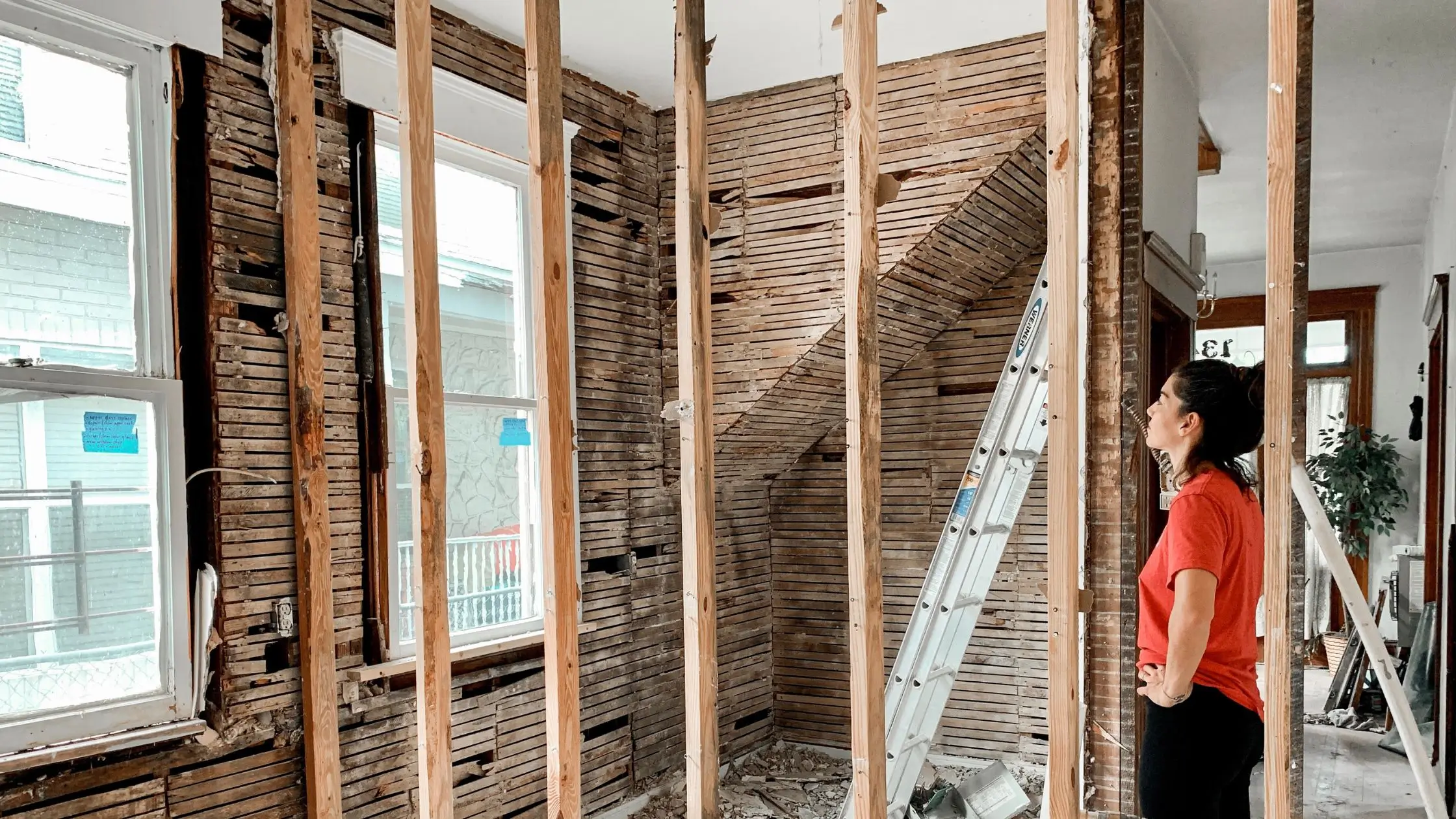
Table of Contents
Ask two inspectors how long a building and pest inspection takes, and you might get two different answers. Some quotes under an hour. Others say closer to half a day. Both can be right, because the honest answer depends on the property in front of them. This guide breaks down realistic timeframes for buyers across Geelong and Melbourne, what can stretch the clock, and how timing fits into a Victorian purchase.
Key Takeaways:
- Most homes take 1.5 to 2.5 hours for a combined building and pest inspection.
- Property size, age, condition and access are the biggest factors in timing.
- An inspection under 30 minutes on a full house is a warning sign, not a bargain.
- You usually receive your inspection report within 24 hours.
- In Victoria, buyers normally pay and often book during the three-day cooling-off period.
- A report stays useful for only a few weeks, since a property’s condition can change.
How long does a building and pest inspection take?
For a standard home in Geelong or Melbourne, a combined building and pest inspection generally takes 1.5 to 2.5 hours. A small unit or apartment can be finished in under an hour. A large family home with a subfloor, multiple bathrooms and a few outbuildings can push past three hours.
Why such a wide range? A building and pest inspection is a visual check of every accessible area against Australian Standards. The pest side adds time, because the inspector hunts for termite damage, live pest activity and the moist conditions that attract them. The CSIRO estimates that around one in five Australian homes will face a termite attack at some point, rising to one in three in higher-risk areas (CSIRO research). Finding that activity takes patience, so a thorough inspection is rarely quick.
Be careful with very short inspections. If a building and pest inspector is in and out of a full house in 30 minutes, they have likely skipped the roof void or the subfloor. Those hidden spaces are where the costly surprises tend to sit. A slightly longer visit protects you from major defects that an untrained eye would miss.
How long does each type of inspection take?
Not every job is a pre-purchase building and pest check. Different inspections have different scopes, so the time on-site varies. The table below sets realistic expectations for the main services.
|
Inspection type |
Typical duration |
Best suited for |
|
Pre-purchase building inspection and pest |
1.5–2.5 hours |
Buyers wanting a full picture before they commit |
|
30–60 min per stage |
Owners checking a build at slab, frame, lock-up and fixing |
|
|
1.5–2.5 hours |
New-build owners doing a final defect check before moving in |
|
|
Pre-sale or pre-auction |
1.5–2.5 hours |
Sellers fixing issues before buyers find them |
|
30–60 min |
Owners meeting Victorian pool compliance rules |
|
|
1–2 hours |
Recording a property’s condition before nearby works start |
Stage inspections look short on paper, but they repeat across the build. Each visit focuses on one phase, so the inspector moves faster than during a full pre-purchase inspection.
What affects how long an inspection takes?
A few things decide whether your inspection runs short or long. Property size is the obvious one. A two-bedroom unit has far less to cover than a five-bedroom home on stumps. Age matters too. Older Geelong and Melbourne homes often hide rising damp, cracked walls and past repairs that need a closer look.
Access is the quiet time-killer. Locked gates, blocked roof spaces and cluttered garages all slow the inspector down. Weather plays a part as well, since wet conditions can delay the roof exterior check. Outbuildings like sheds and garages each add minutes, because every structure needs its own assessment.
You can shave time off the day with a little prep. Ask the agent or vendor to unlock all doors, gates, the roof space and the subfloor. Clear boxes away from walls so the inspector can see the surfaces. Secure any pets before the visit. If you already worry about a wet area or a patch of cracked render, flag it before the inspection starts so it gets early attention.
What happens during the inspection?
Knowing the process helps explain where the time goes. A good inspector works through the property in a set order, taking photos and notes as they move.
They start outside with the exterior walls, roof, drainage, retaining walls, and fencing. Inside, they check ceilings, floors, windows, doors and the wet areas for signs of moisture or structural issues. The roof void comes next, where framing, insulation, and pest activity are evident. If the home has an accessible subfloor, they inspect it for damp, timber damage and ventilation. Moisture meters and thermal cameras help find hidden problems behind the surface.
In Victoria, building inspectors are overseen by the Victorian Building Authority and should carry professional indemnity insurance. Adequate insurance cover matters because it backs the advice in your report. You can see how a structured visit runs on our process page.
When do you get the report, and how long is it valid?
Most inspectors deliver a detailed report within 24 hours of the visit. A good building inspection report includes clear photos, plain-language notes and a priority rating on each issue, so you can tell a minor defect from a significant problem. That comprehensive report is the tool you use to negotiate the purchase price or to plan repairs.
A pest inspection report and a building report describe the property on the day of the inspection. Conditions change, so the findings have a shelf life. Many buyers treat a report as current for about four weeks. If your purchase drags on past that, a quick re-check is worth considering, since termite activity and damp can move fast.
How much does a building and pest inspection cost in Victoria?
Cost tracks closely with time because a bigger or older property takes longer to inspect. In 2026, across Melbourne and Geelong, a combined building and pest inspection generally costs between $400 and $900. A small apartment sits near the lower end. A large or heritage home on stumps sits at the top, or beyond it.
Watch for hidden fees. A clear quote should cover the building check and the timber pest check in a single visit, with no surprise add-ons to the report. You can see current pricing for your suburb on our region and prices page. Set against a purchase price in the hundreds of thousands, the fee is small insurance against costly surprises.
Who pays for a building and pest inspection in Victoria?
The buyer almost always pays. You are the one who needs the information before you commit, so you arrange and fund the inspection. Most buyers book during the cooling-off period, which gives them a short window to act on the findings.
In Victoria, the cooling-off period is three clear business days for a private sale under the Sale of Land Act 1962 (Consumer Affairs Victoria). It does not apply to auction purchases, so auction buyers should inspect items before bidding. A “subject to building inspection” clause in the contract gives you another path to walk away or renegotiate if the report uncovers major faults.
Sellers sometimes pay too. A pre-sale or pre-auction inspection lets a vendor fix problems before buyers see them. Owner-builders have their own duties when selling, as they must provide a 137B owner-builder report to the buyer.
Book your inspection
A building and pest inspection is one of the smartest hours you can spend before buying. It turns guesswork into a clear picture of the property’s condition, so you can make an informed decision with confidence. If you are buying across Geelong or Melbourne and want a thorough, independent report, get in touch with Ripple Building Inspections.
FAQs about Building and Pest Inspections
You do not have to, but many buyers find it useful. Being on site lets you ask questions and see any issues firsthand. If you cannot make it, a photo-rich report and a follow-up call cover the same ground.
Yes, for a very small apartment or a single-room unit. For a full house, under an hour usually means corners were cut. Thoroughness matters more than speed here.
Usually they are combined into one visit, which saves time and money. You can book them separately if you prefer, though most buyers choose the combined option for a complete picture.
Timing is similar across Geelong and Melbourne, though travel and local property stock play a part. Older inner-Melbourne terraces and weatherboard homes in Geelong often need extra time.
A detached house takes around 11 to 12 months on average, up from about 10.3 months a couple of years earlier, according to Master Builders Australia’s analysis of ABS data (Master Builders Australia). That timeline is why stage inspections matter, since problems are far cheaper to fix during the build than after handover.


2 Responses