Quick answer: Home inspectors look for structural defects, safety hazards, water damage, roof condition, plumbing and electrical faults, drainage issues, and timber pest activity. A qualified building inspector assesses the visible and accessible parts of a property against Australian Standard AS4349.1 and delivers a detailed report that flags major defects, minor defects, and safety concerns before you buy.
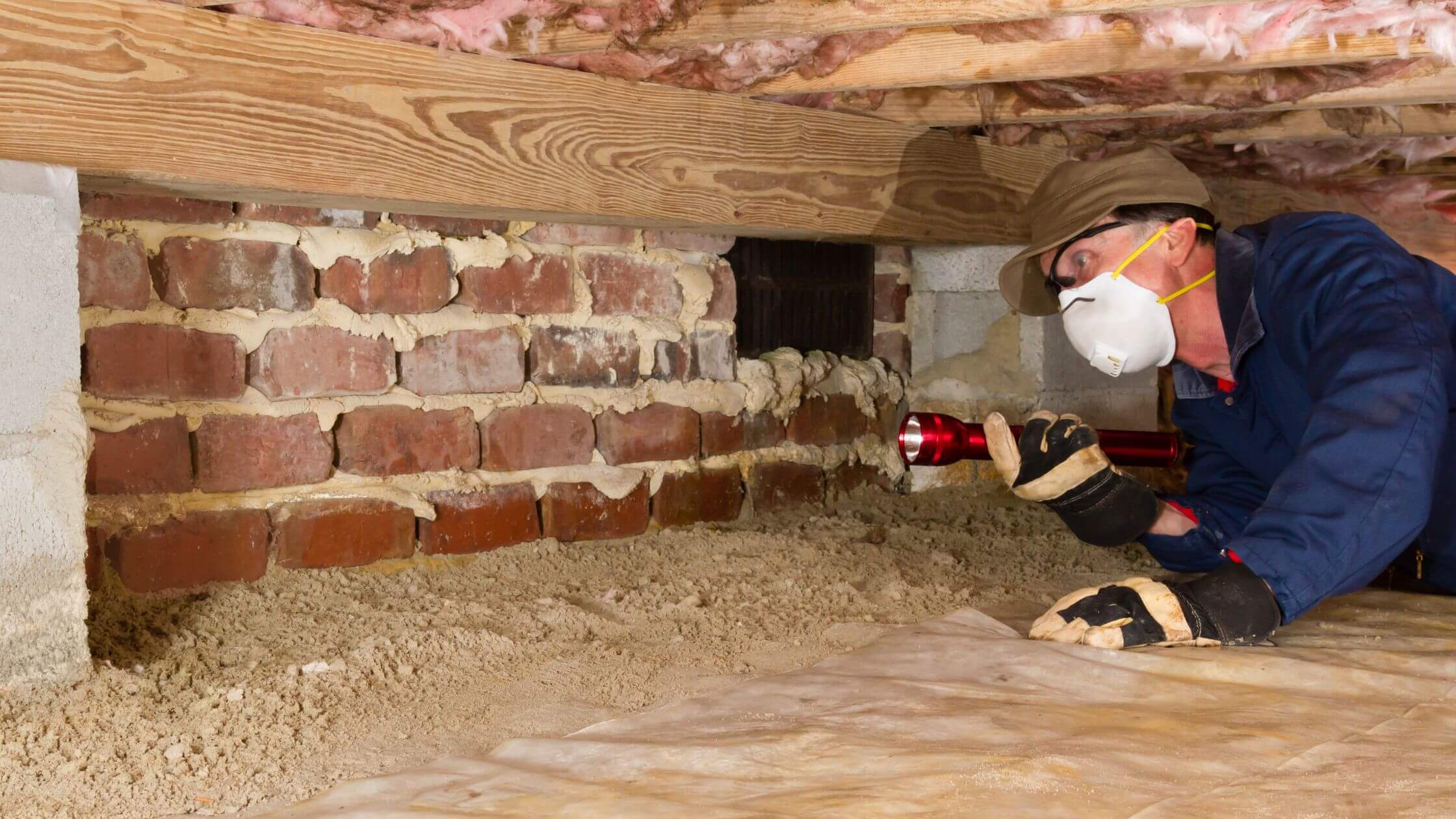
Table of Contents
Buying a home is a big deal. The place looks great at the open home, the selling agent is friendly, and the paperwork feels like the last hurdle. Then someone mentions a pre-purchase building inspection, and suddenly you’re wondering what actually happens during one. What does the inspector check? What gets missed? And what could send a red flag straight to your solicitor?
This guide walks you through what inspectors look for during a home inspection, so prospective buyers know what they’re paying for and how to make an informed decision based on the results.
Key Takeaways:
- A property inspection covers structural elements, roof, interior, exterior, sub-floor, roof void, plumbing, electrical, and timber pest activity.
- Around 30% of homes assessed by Archicentre Australia contain a major defect.
- CSIRO research suggests as many as 1 in 3 Australian homes will experience termite activity at some point.
- Inspections follow Australian Standard AS4349.1 and only cover reasonably accessible areas.
- The property inspection report separates major defects, minor defects, and safety hazards so buyers know what matters most.
- A qualified inspector gives you leverage during price negotiations and helps you avoid repair bills that can run into tens of thousands.
What Is a Home Inspection, Really?
A home inspection is a visual assessment of the property carried out by a qualified building inspector. The inspector checks the accessible parts of the house against the Australian Standard AS4349.1 and documents any issues that could affect the property’s value or your safety.
There are two common types of inspection services buyers book before signing a contract. A standalone building inspection looks at the structure and condition of the property. A building pest inspection adds a timber pest inspection that checks for termite damage and other wood-destroying organisms. Most buyers opt for a combined building and pest inspection because 1 in 5 Australian homes will be affected by termites during their lifetime, and the extra cost is small compared with the repair bill from active termite activity.
A comprehensive pre-purchase building inspection is not a valuation and not a certificate of compliance. It is an independent snapshot of the property’s condition at the time of inspection, based on what the inspector can safely see and access.
Who Should Carry Out Your Inspection?
Not every person offering an inspection service is qualified to do it well. Before you book, ask about credentials and insurance.
Look for a registered building practitioner with recent, hands-on construction experience. Registration means the inspector meets Victorian standards for training and conduct. Many inspectors also carry full professional indemnity insurance, which protects you if the report misses something significant.
A fully insured inspector with professional indemnity cover provides a fallback if problems arise later. Ask to see proof of professional indemnity insurance before you pay. If the inspector cannot show it, keep looking.
The 7 Main Areas Inspectors Examine
Every property is different, but a good inspector follows the same checklist regardless of price or postcode. Here is what gets covered.
1. Structural Elements
The inspector starts with the bones of the house. This means checking foundations, load-bearing walls, columns, beams, and floor structures. They look for cracks, movement, sagging, and any signs the building has shifted since it was built. The goal is to confirm the property is structurally sound.
Major structural defects are the most expensive problems to fix. A cracked slab or failing foundation can cost tens of thousands to remediate, which is why this section of the property inspection report matters most.
2. Roof and Roofing Systems
The roof is checked from inside the roof void and, where safe, from outside. Inspectors look at tiles, metal sheeting, flashing, gutters, downpipes, and any visible signs of leaks or water staining.
They also assess the roof frame itself. Sagging trusses, timber rot, and poor bracing all get flagged. A roof replacement is one of the more expensive repair jobs a homeowner faces, so knowing its condition before you buy protects your budget.
3. Interior Spaces
Every accessible room gets a walkthrough. Inspectors check ceilings for water stains, walls for cracks or bulging, floors for slope or movement, and door and window frames for square alignment.
Wet areas get extra attention. Bathrooms, laundries, and kitchens are the most common source of hidden water damage. Inspectors use moisture meters to detect dampness behind tiles and under floor coverings before it becomes visible.
4. Exterior and Site Drainage
The outside of the property tells a story. Cladding, brickwork, render, paint, and window seals all get inspected for damage or deterioration. Retaining walls, fences, driveways, and paths are also checked.
Site drainage issues are a big one. Poor surface drainage causes water to pool near foundations, which leads to subsidence, dampness, and eventually structural problems. This is one of the most common major defects that Archicentre inspectors find during pre-purchase inspections.
5. Sub-Floor and Roof Void Areas
These hidden spaces reveal what the polished interior can hide. In the sub-floor, inspectors check for moisture, poor ventilation, damaged stumps or piers, and evidence of termite activity. In the roof void, they look at insulation, timber condition, wiring, and any signs of water ingress.
Access matters here. If the inspector cannot safely reach these areas, they must state this in the report. Buyers should push for full access wherever possible, as these are the spaces where potential issues hide the longest.
6. Plumbing, Electrical, and Safety Hazards
A building inspection is not a full plumbing or electrical audit, but the inspector flags visible safety hazards. This includes exposed wiring, missing smoke alarms, loose handrails, unsafe balustrades, and any obvious non-compliance with current building codes.
Older properties often have safety issues that would fail a modern build. These findings help buyers plan for upgrade costs before they take ownership.
7. Timber Pest Activity
If you booked a building and pest inspection, the timber pest component follows Australian Standard AS4349.3. Pest inspectors look for subterranean termites, wood-boring insects, fungal decay, and chemical delignification. Other pests, such as wood borers and fungal decay, are also documented.
They also check for conditions that attract pests, such as timber-to-soil contact, poor drainage near foundations, and untreated timber in high-moisture areas. Given that termite damage costs Australian homeowners an estimated $1.5 billion each year, the pest inspection report often pays for itself many times over.
Note that a pest report focuses on identifying activity, damage, and conditions. It does not include pest control treatment, which is a separate service performed by licensed pest control operators.
Major Defects vs Minor Defects vs Safety Hazards
Every inspection report sorts findings into categories. Knowing the difference helps you understand which items are deal-breakers and which are just maintenance jobs.
Category | What It Means | Common Examples | Buyer Impact |
Major Defect | A significant issue that affects the structure, safety, or usability of the property | Failed foundations, roof collapse risk, active termite damage, severe water ingress | May justify walking away or renegotiating the purchase price |
Minor Defect | A fault that needs attention but does not affect the building’s core function | Cracked tiles, peeling paint, worn seals, small render cracks | Budget for repairs but usually not a deal-breaker |
Safety Hazard | Anything that poses a risk to occupants regardless of the building’s condition | Faulty balustrades, exposed wiring, missing smoke alarms, unsafe steps | Should be fixed before or shortly after moving in |
A well-written building inspection report will show clear photos of each item and explain why it falls into its category. If your detailed report just lists issues without context, ask questions.
The Biggest Red Flags Inspectors Find
Some findings need urgent attention. These are the items that most often make prospective buyers rethink a purchase or negotiate hard on price. Left unchecked, any of these can escalate into serious problems within months.
- Active termite activity. Live termites or fresh mud tubes are the single biggest red flag in an Australian home inspection. Damage can escalate quickly, and repairs are rarely covered by home insurance.
- Structural cracking and movement. Cracks wider than 5mm, stair-step cracking in brickwork, or doors that no longer close square all point to foundation problems. These are expensive to fix and sometimes indicate ongoing movement.
- Rising damp and water damage. Persistent moisture in walls and floors leads to timber rot, mould growth, and structural weakening. Rising damp treatment can cost thousands and often reveals further damage once work begins.
- Non-compliant electrical or plumbing work. DIY jobs or old work that no longer meets current standards can be dangerous. Rectification often requires a licensed tradesperson and full permits.
- Unauthorised structural changes. Extensions, decks, or internal wall removals undertaken without council approval can result in costly retroactive compliance requirements or even demolition orders.
The Most Common Home Inspection Fails
Research on Australian housing points to a handful of recurring problems. Around 30% of homes assessed have significant hidden faults, and the same defect types keep appearing in reports year after year.
The most frequent findings include:
- Site drainage issues causing water pooling near foundations
- Foundation cracking and slab movement
- Roof frame defects and roofing material deterioration
- Illegal or non-compliant building work
- Aged or unsafe wiring and plumbing
- Rising damp and moisture problems in wet areas
- Timber pest activity, past or present
Homes over 30 years old are more likely to show several of these at once. That does not mean older homes are bad buys. It just means the property inspection report becomes even more important for setting realistic expectations about repairs and upgrades.
What Inspectors Don't Look At
A standard home inspection has limits. Knowing what falls outside the scope helps you avoid surprises later.
Inspectors do not open walls, lift floor coverings, or dismantle any part of the building. They do not test appliances, gas systems, air conditioning units, or swimming pool equipment as part of a standard inspection. They also cannot assess anything covered by insulation, furniture, or stored items.
Areas that are unsafe to access, such as steep roofs or crawl spaces with no ventilation, are noted in the report but not inspected. If you have specific concerns about pool safety, dilapidation risk from nearby construction, or a commercial property assessment, those need separate specialist inspections.
Tools and Technology Used During an Inspection
Modern building inspectors use more than a torch and a notebook. Common equipment includes:
- Digital moisture meters to detect hidden dampness in walls and floors
- Thermal imaging cameras to spot temperature anomalies behind surfaces
- Termite screening devices to detect pest activity in concealed timber
- Laser levels to identify uneven or sloping floors
- Sounding tools to test timber for internal decay or termite damage
- High-powered LED torches for sub-floor and roof void inspections
This equipment enables the inspector to produce comprehensive reports that catch issues that would otherwise go unnoticed until they become costly problems.
How to Read Your Inspection Report
A good inspection report is written to be understood by non-experts. It should include a summary of the findings, photos of every significant issue, and clear recommendations for next steps.
When you receive your building inspection and property inspection report, start with the summary. Look for anything flagged as a major defect or safety hazard first. These are the items that will shape your final decision to proceed with the purchase, walk away, or renegotiate the price.
Use the report to have real conversations with your agent and solicitor. If the report identifies expensive repairs, you have the evidence you need to negotiate the purchase price down or request that the seller carry out repairs before settlement. An incredibly detailed report from an experienced inspector gives you great insight into the property that no walk-through with a selling agent can match.
Do not skip the maintenance items either. Minor defects add up over time, and knowing them upfront helps you budget for the first two or three years of ownership.
Final Thoughts
A pre-purchase building inspection is one of the smallest costs in a property purchase and one of the most valuable. It gives you a clear picture of what you are buying, what needs attention now, and what will need money down the track. That knowledge is the difference between confident ownership and expensive surprises.
If you are buying in Geelong, Melbourne, or the surrounding suburbs, book your inspection early so you have time to review the findings before contracts move ahead.
FAQs about Building and Pest Inspections
Active termite activity is the biggest red flag in most Australian home inspections. Structural cracking, foundation movement, and hidden water damage also rank high because they signal expensive repairs and possible ongoing issues.
Inspectors focus most on structural integrity, roof condition, water damage, and safety hazards. These are the items with the highest repair costs and the greatest impact on the home’s value and safety.
The most common findings are drainage issues, foundation cracks, roof defects, non-compliant building work, and timber pest activity. Older homes often show several of these at once.
A building inspection does not pass or fail like a driving test. It documents findings and rates them by severity. That said, major structural defects, active termite infestations, and serious safety hazards are the issues most likely to make a buyer walk away or renegotiate.
A standard building and pest report for an average-sized home takes between one and a half and three hours to complete on-site. Larger properties, older homes, or houses with complex access can take longer. You should receive your written report within 24 hours.
You do not need to be there, but it helps. Walking through the property with the inspector at the end of the visit lets you ask questions in context and understand the findings before the written report arrives.



4 Responses